 rotary jointsrotary joints
Search the whole station
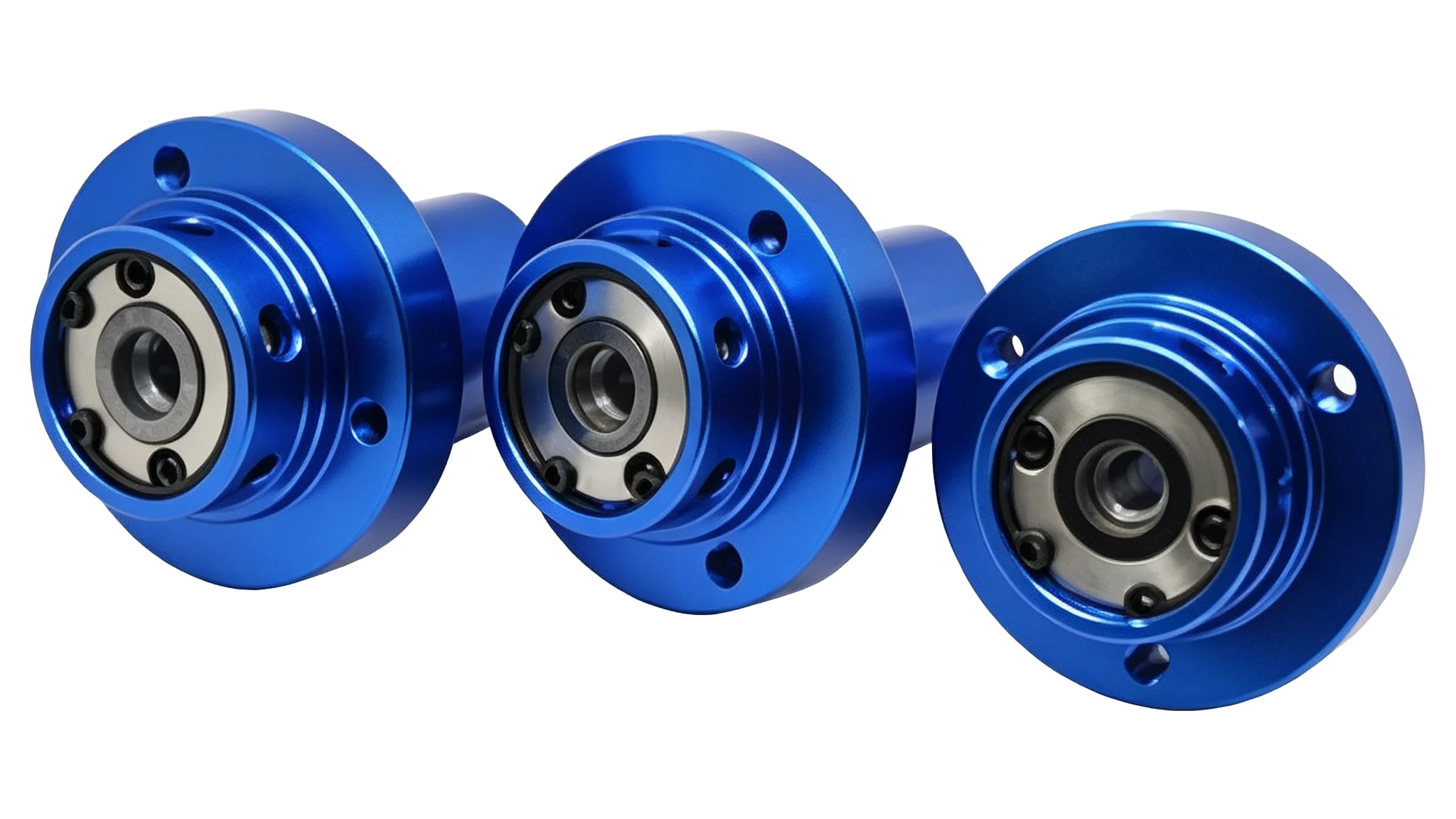
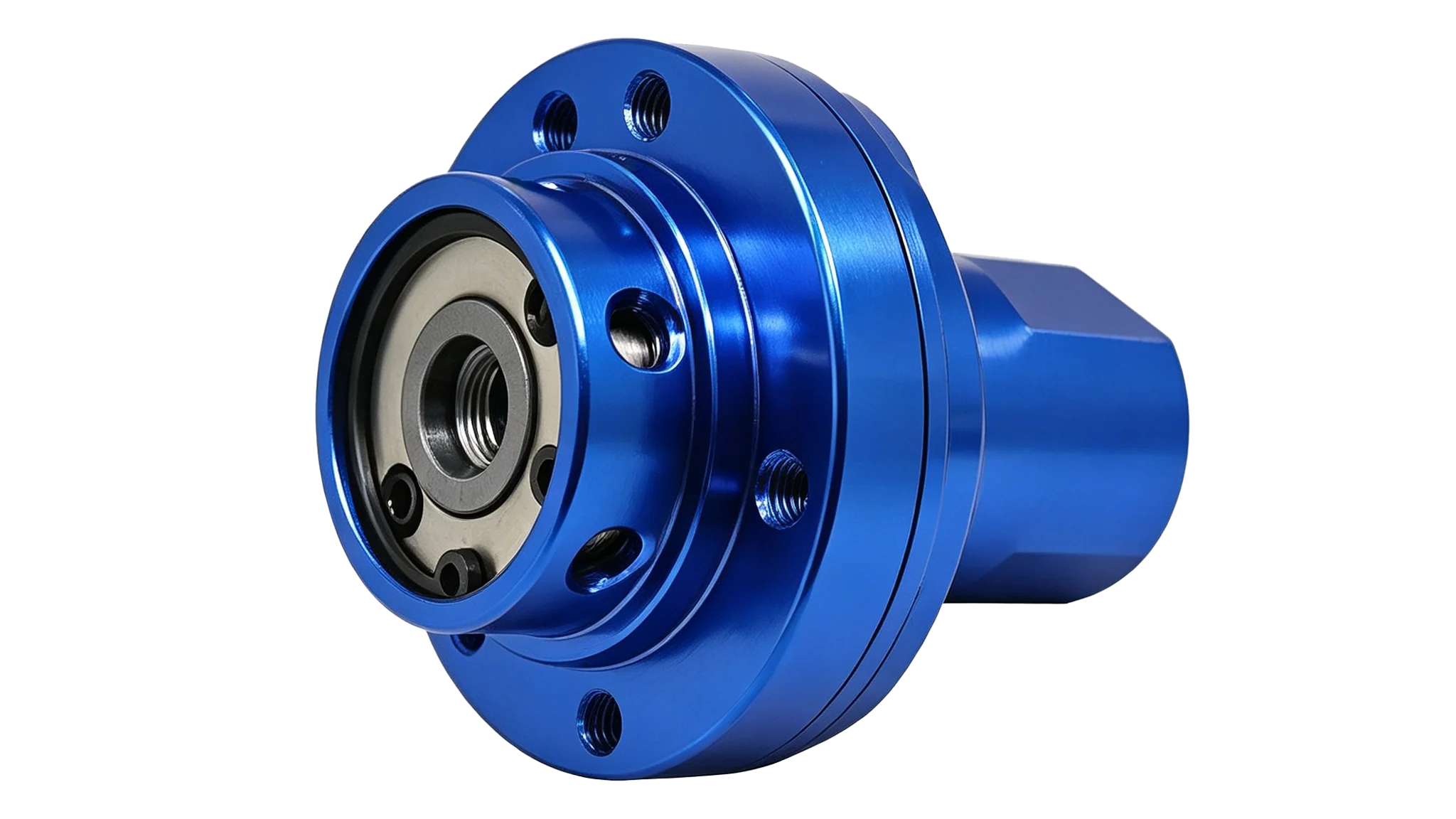
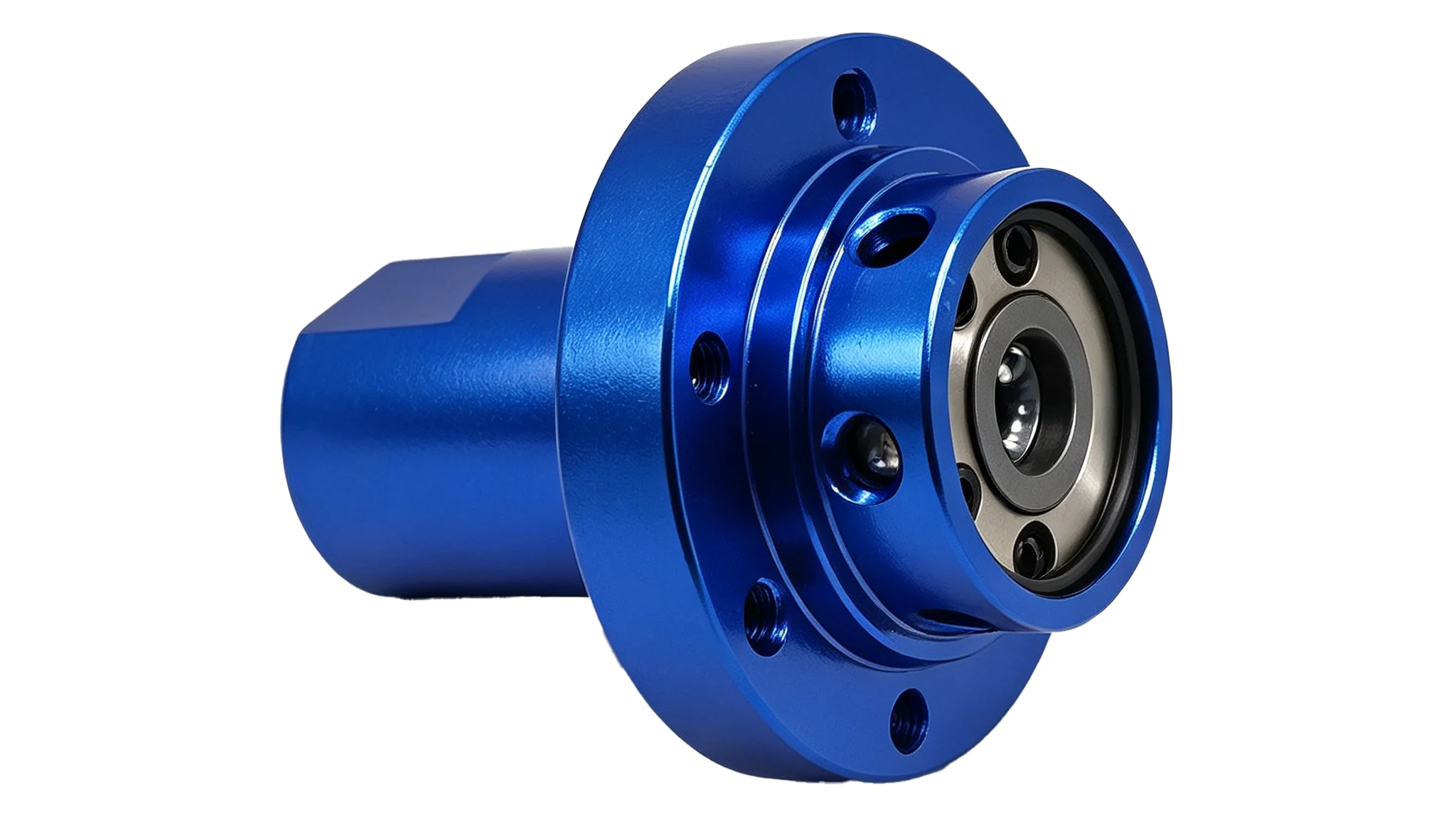
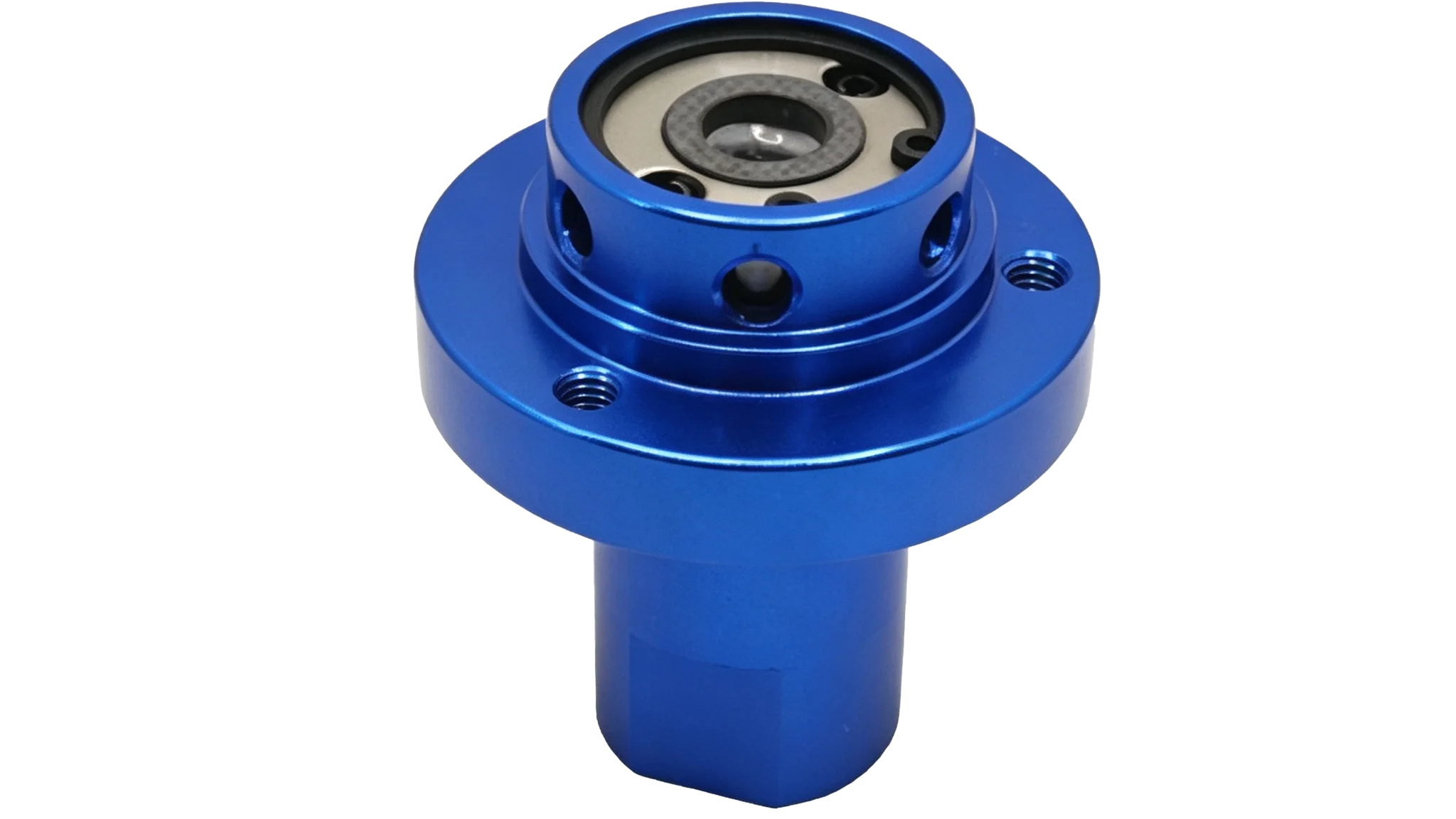
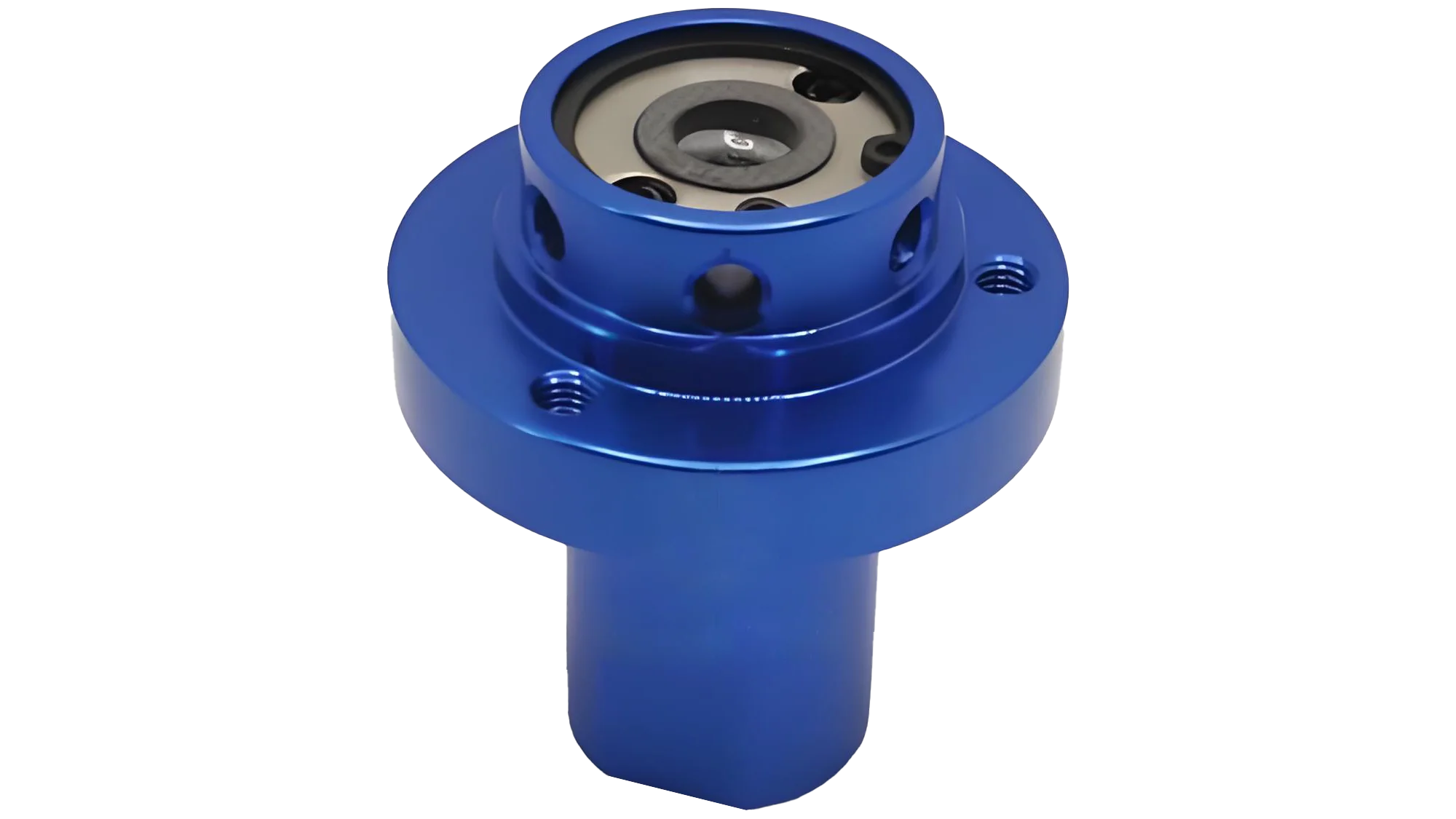
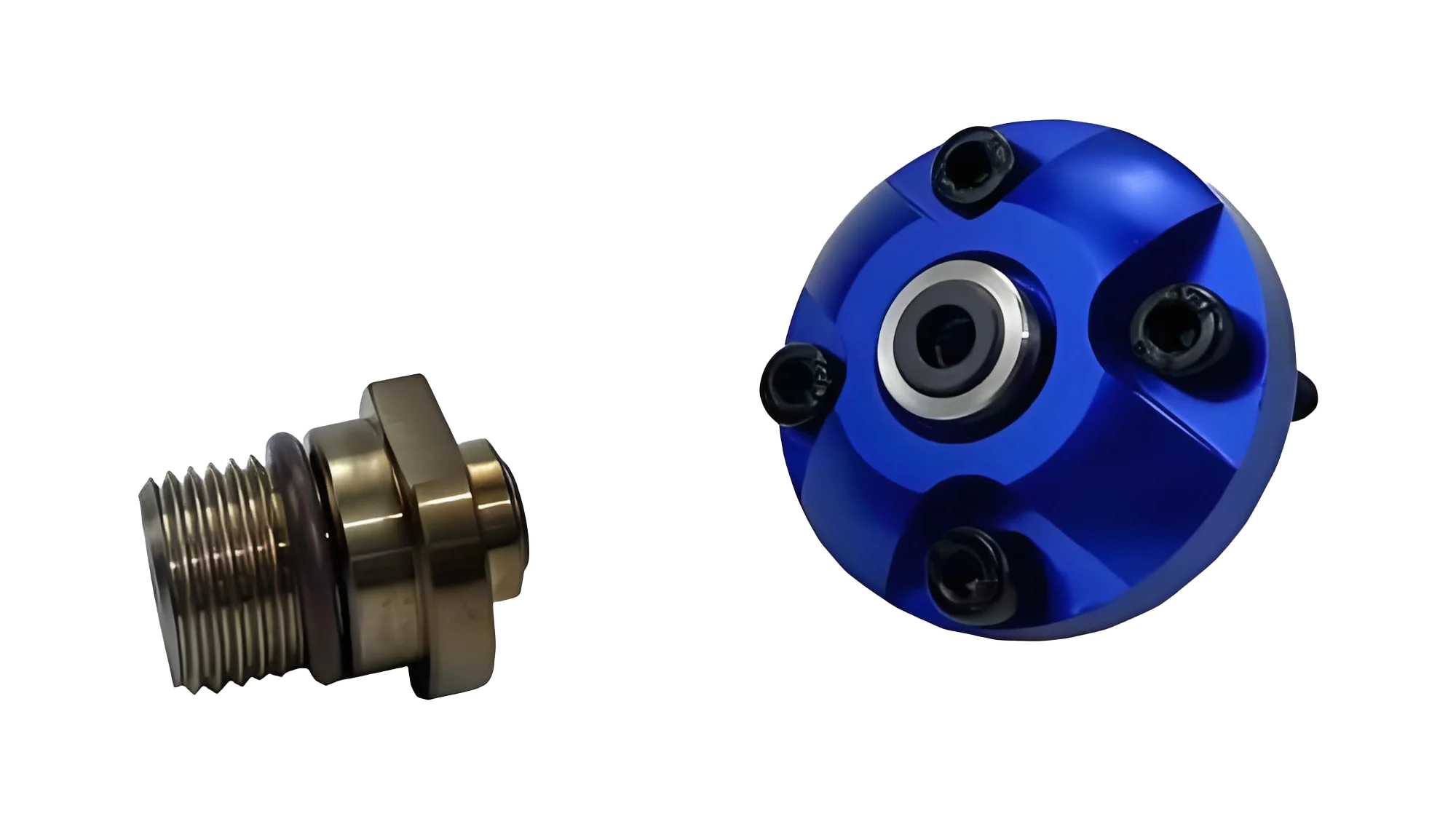
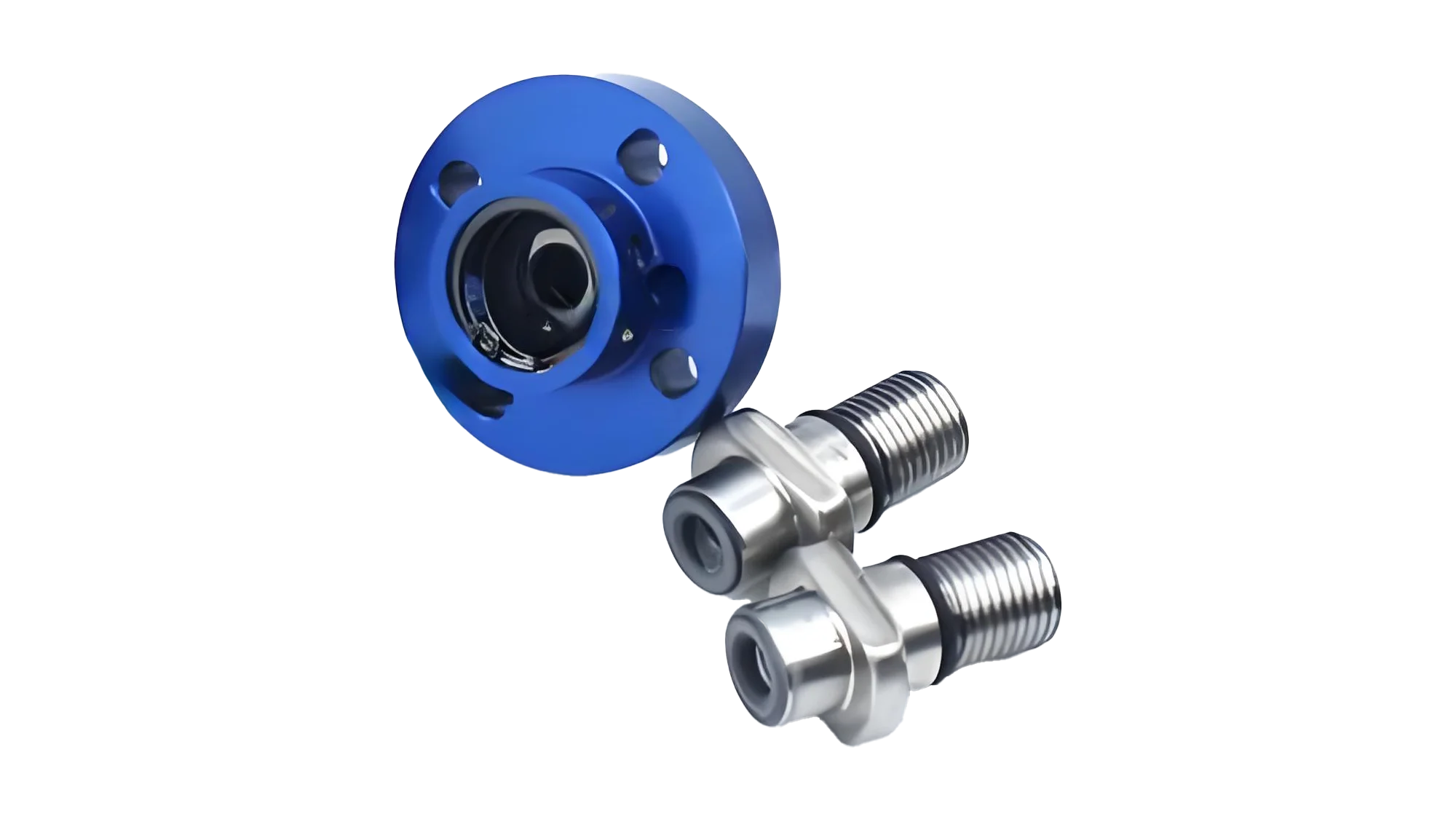
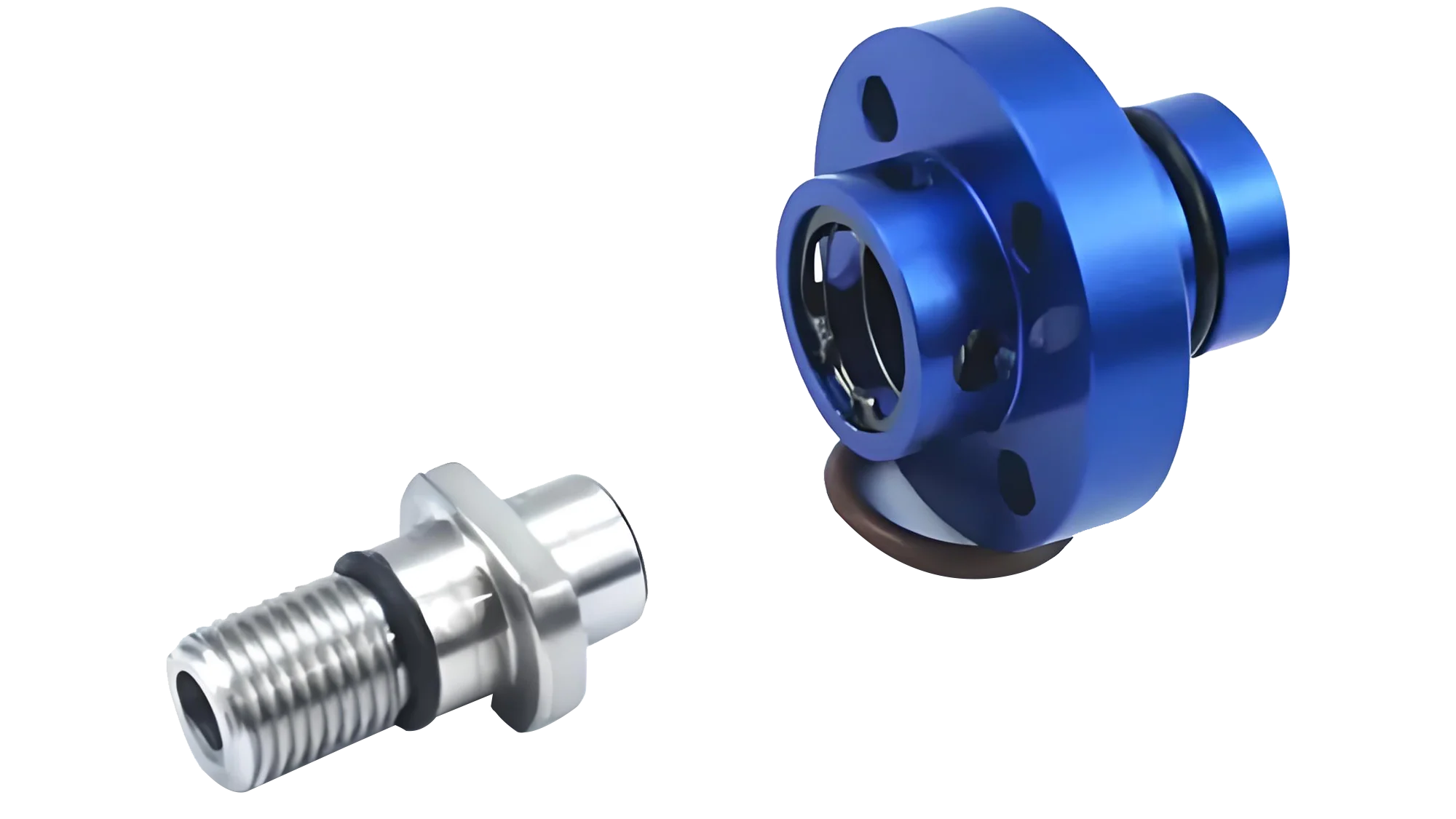
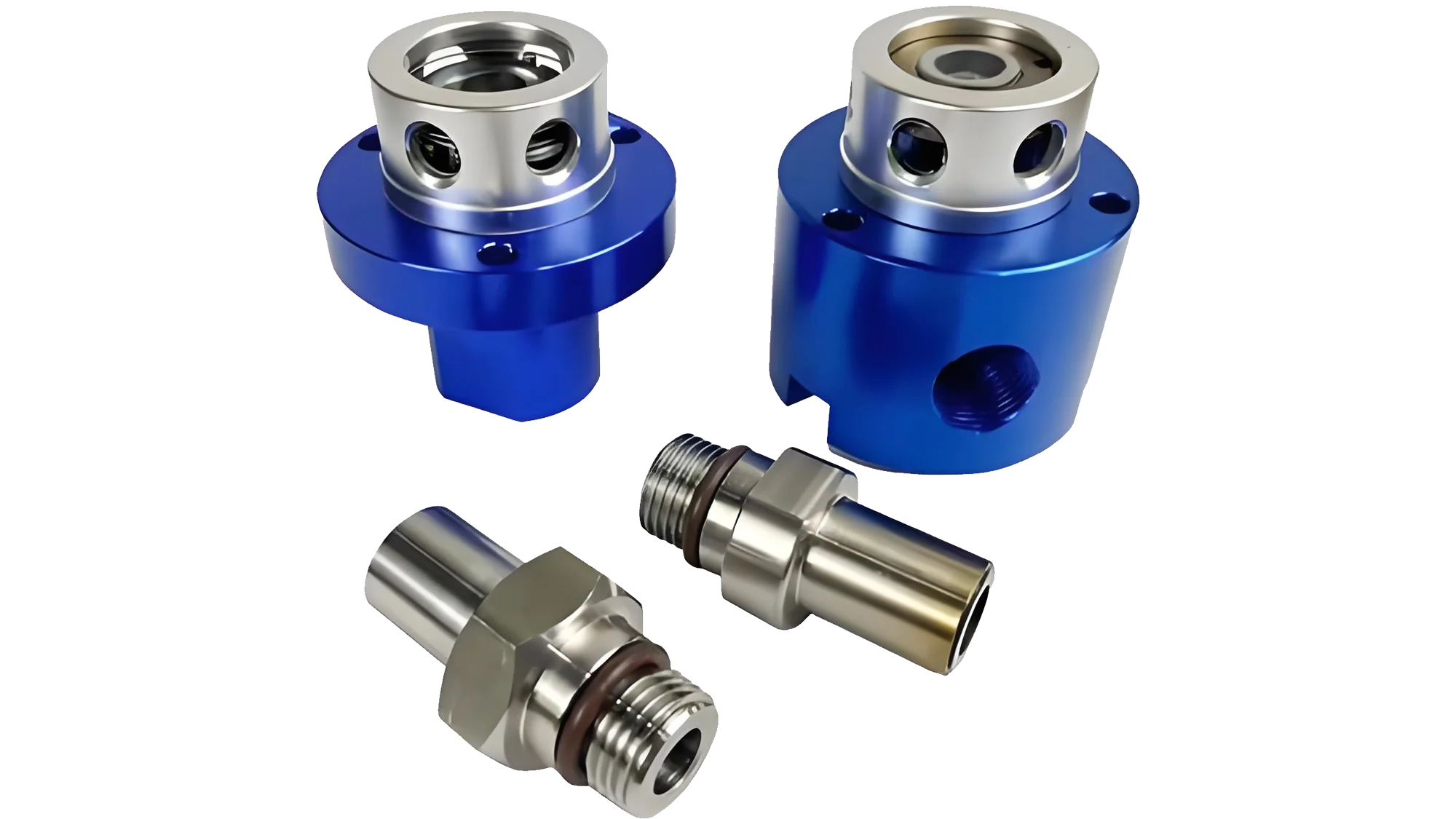
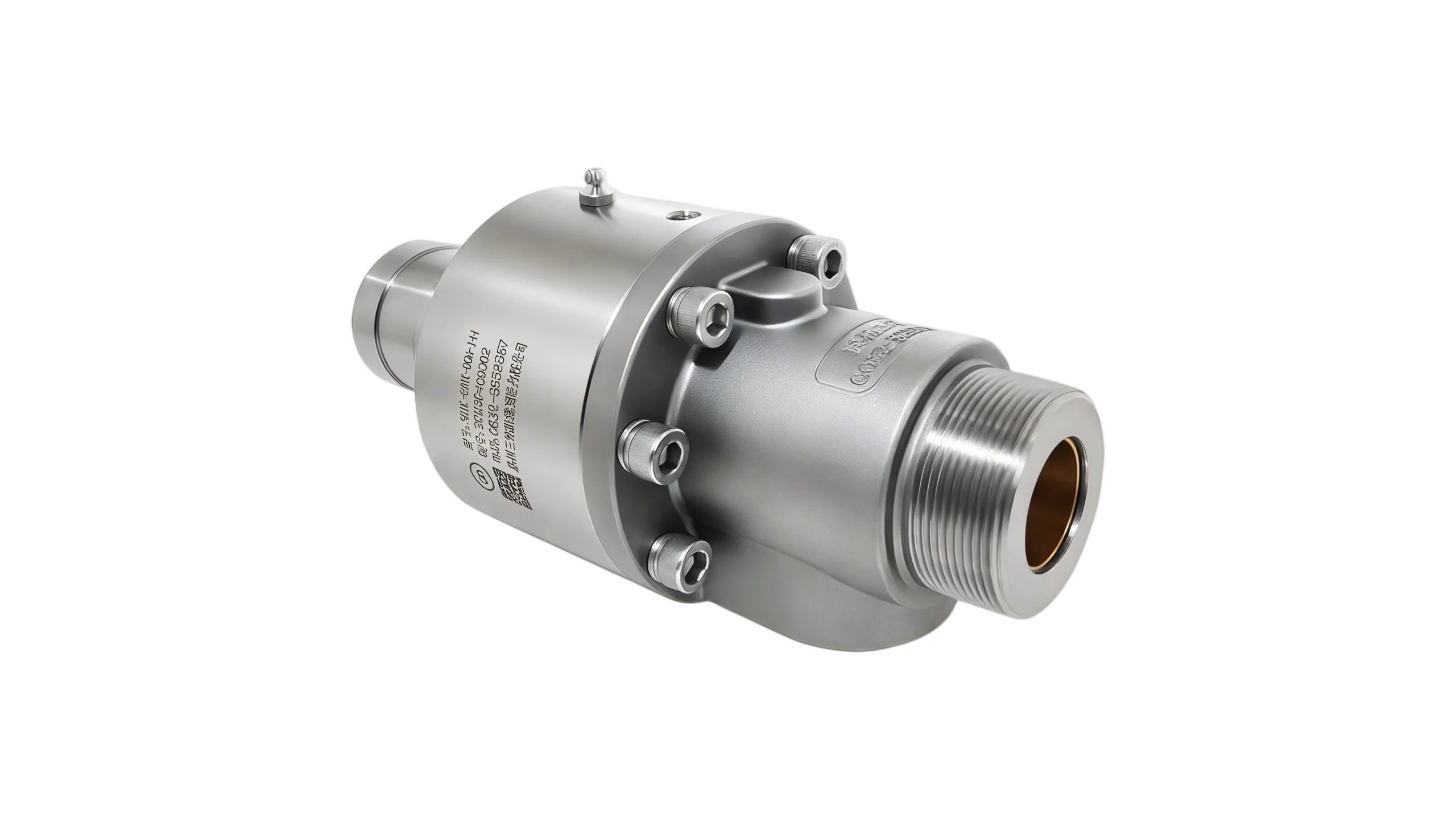
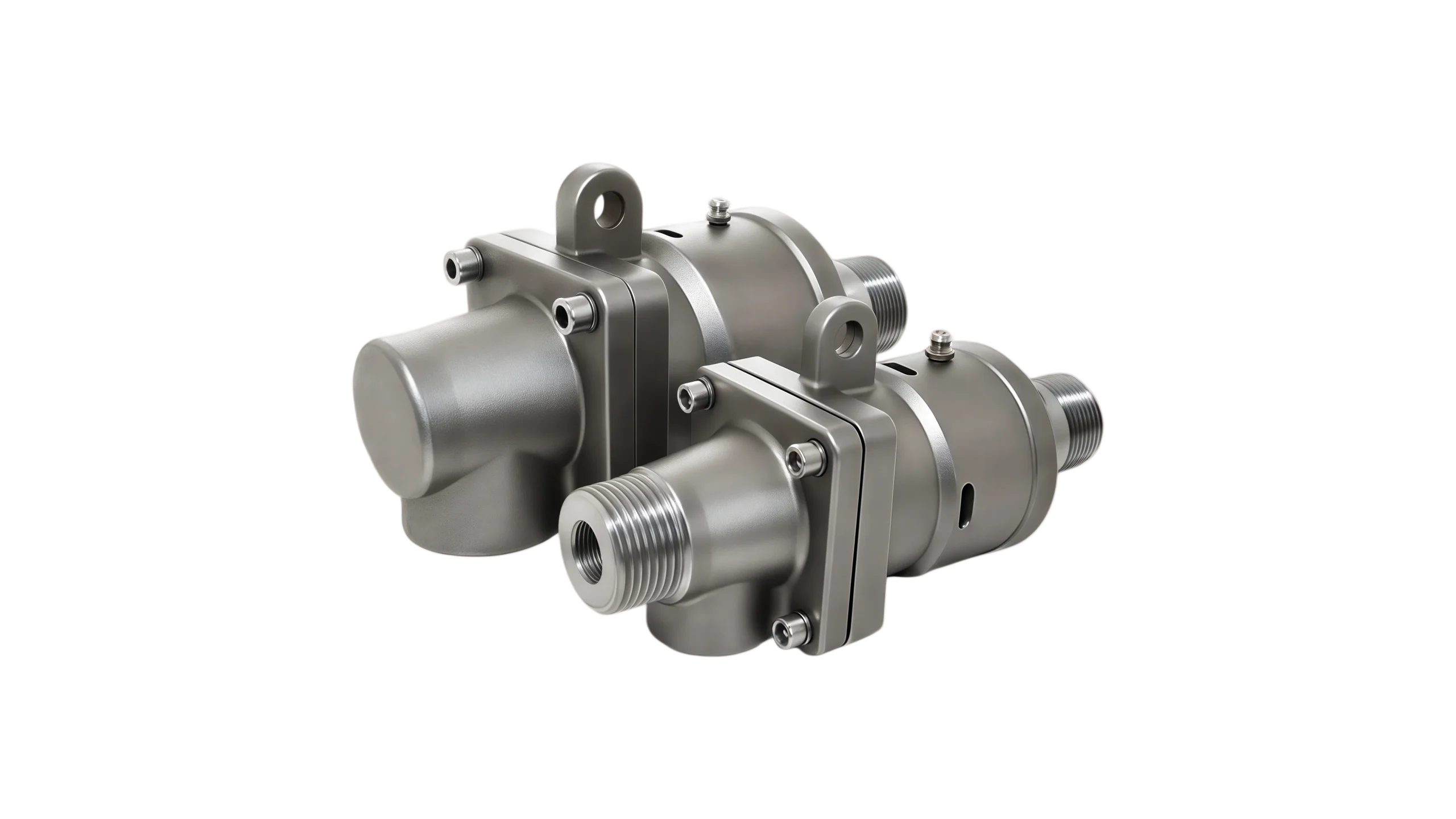
1117-058-116 is a 1117 series bearingless “closed sealed” rotary joint, specifically designed for high-speed machine tool coolant or MQL micro lubrication delivery, using an axial connection configuration
1117-058-116 is a 1117 series bearingless “closed sealed” rotary joint, specifically designed for high-speed machine tool coolant or MQL micro lubrication delivery, using an axial connection configuration.
Characteristics of 1117 Bearingless Coolant Joint:
——Single channel design
——Small structure
——Axial shell connection
——Balanced mechanical seal
——Sealing combination: Silicon carbide/Silicon carbide
——Discharge outlet
——Full medium fluid form
——Anodized aluminum shell
——Steel rotor
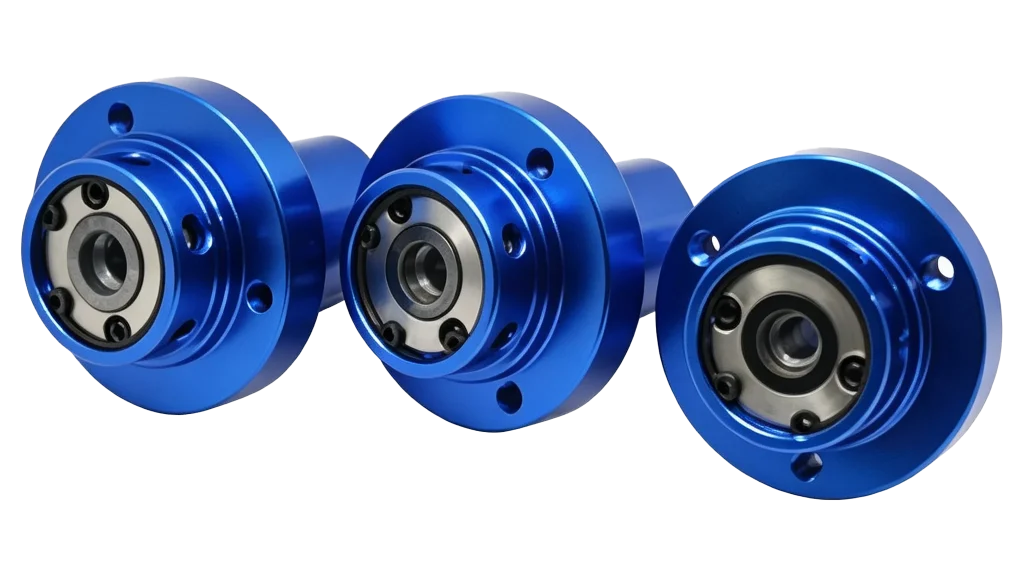
Fluid systems rely heavily on robust, dynamic connections to operate efficiently. The 1117-058-116 swivel union is a standout component engineered to optimize fluid transfer while accommodating mechanical movement. Whether you are upgrading heavy construction machinery or designing a complex manufacturing system, understanding how to utilize this specific union is crucial. Ultimately, the primary goal of any such component is to prevent hydraulic hose twisting with swivels, ensuring both equipment longevity and workplace safety.
Before integrating a new component into your system, carefully reviewing the high pressure rotary union specifications is vital. The 1117-058-116 model is built to handle demanding conditions, but configuring it correctly requires a few key decisions.
First, it is important to understand the difference between live swivel and positioning swivel designs. Positioning swivels are adjusted during setup and locked into place, whereas live swivels allow for continuous, dynamic rotation under pressure. Additionally, you must decide on the physical geometry. Choosing between inline vs 90-degree hydraulic swivels depends entirely on your spatial constraints and hose routing needs.
Material selection is equally critical. When evaluating stainless steel vs carbon steel swivel joints, remember that stainless steel offers superior durability in corrosive environments, while carbon steel remains a highly cost-effective choice for standard industrial applications. Furthermore, choosing the right swivel union seal material directly impacts the chemical resistance of swivel union gaskets, safeguarding your internal components against harsh or abrasive fluids.
Proper setup dictates long-term performance. If you are unsure where to begin, consulting a reliable hydraulic swivel joint installation guide will save you valuable time and prevent costly errors.
Consider these actionable tips to maximize your system’s efficiency:
Operational Limits: Never exceed the maximum rotational speed for swivel unions. Pushing a 1117-058-116 swivel union beyond its rated RPM increases friction and can cause premature seal degradation.
Routine industrial fluid handling component maintenance extends the functional life of your equipment. Even the highest-tier components will eventually experience wear.
When troubleshooting leaking fluid connectors, always start by inspecting the internal O-rings and backup rings for signs of abrasion or hardening. If a failure does occur, knowing how to replace damaged hydraulic couplings swiftly will keep operational downtime to a minimum. Always remember to fully depressurize the system, carefully remove the compromised union, and ensure the replacement matches your system’s exact pressure requirements before bringing it back online.
Investing time into understanding components like the 1117-058-116 swivel union pays incredible dividends in overall system reliability. By selecting the right materials, respecting performance limits, and adhering to proactive maintenance, your fluid systems will run smoothly for years to come.
Operational Limits: Never exceed the maximum rotational speed for swivel unions. Pushing a 1117-058-116 swivel union beyond its rated RPM increases friction and can cause premature seal degradation.
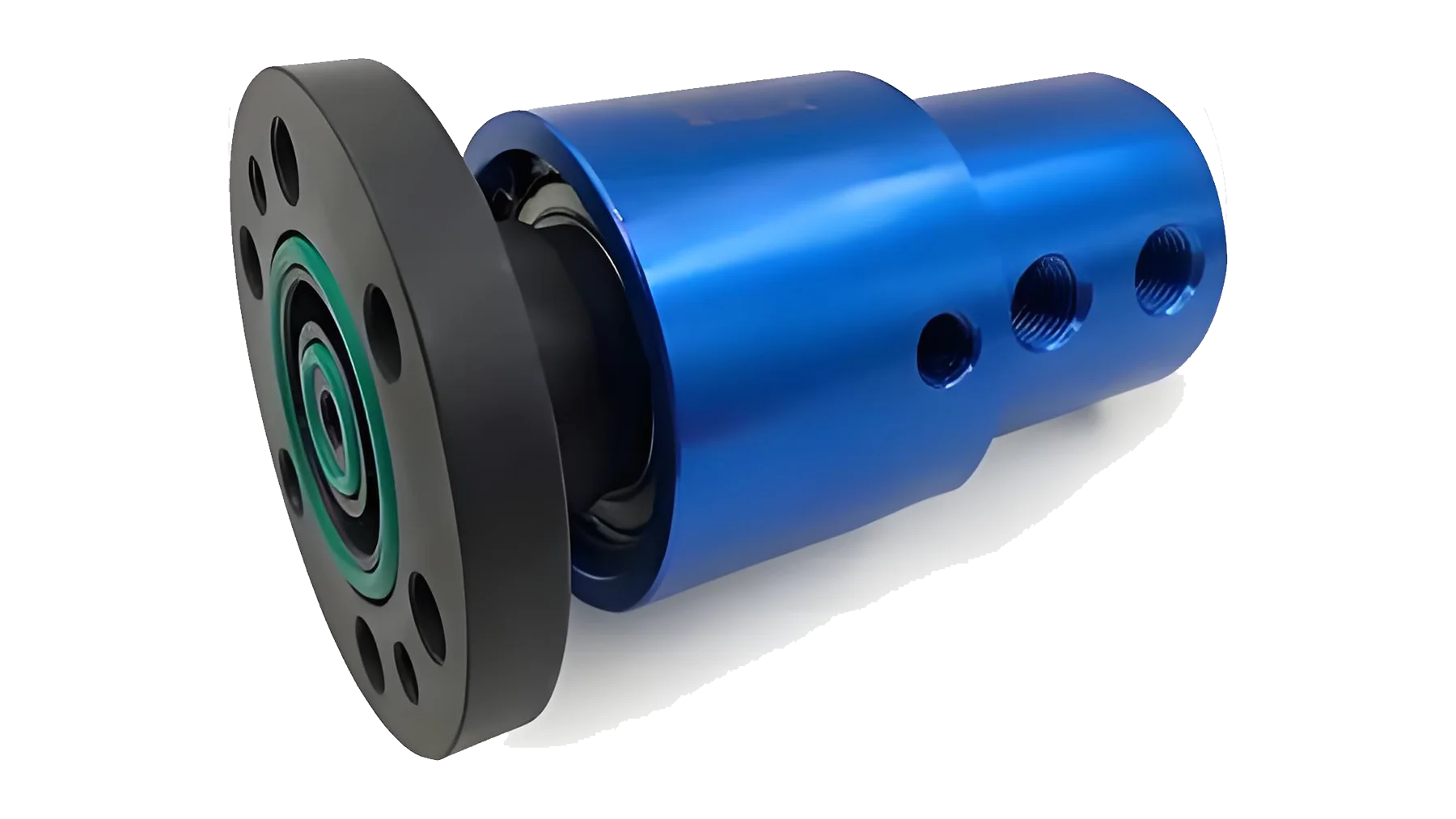
A rotary joint is a sealing device that connects stationary pipelines and rotating equipment, achieving leak free fluid transmission under 360 ° rotation. It allows fluid media to flow smoothly between fixed pipelines and rotating machines, and is a key component in industrial equipment
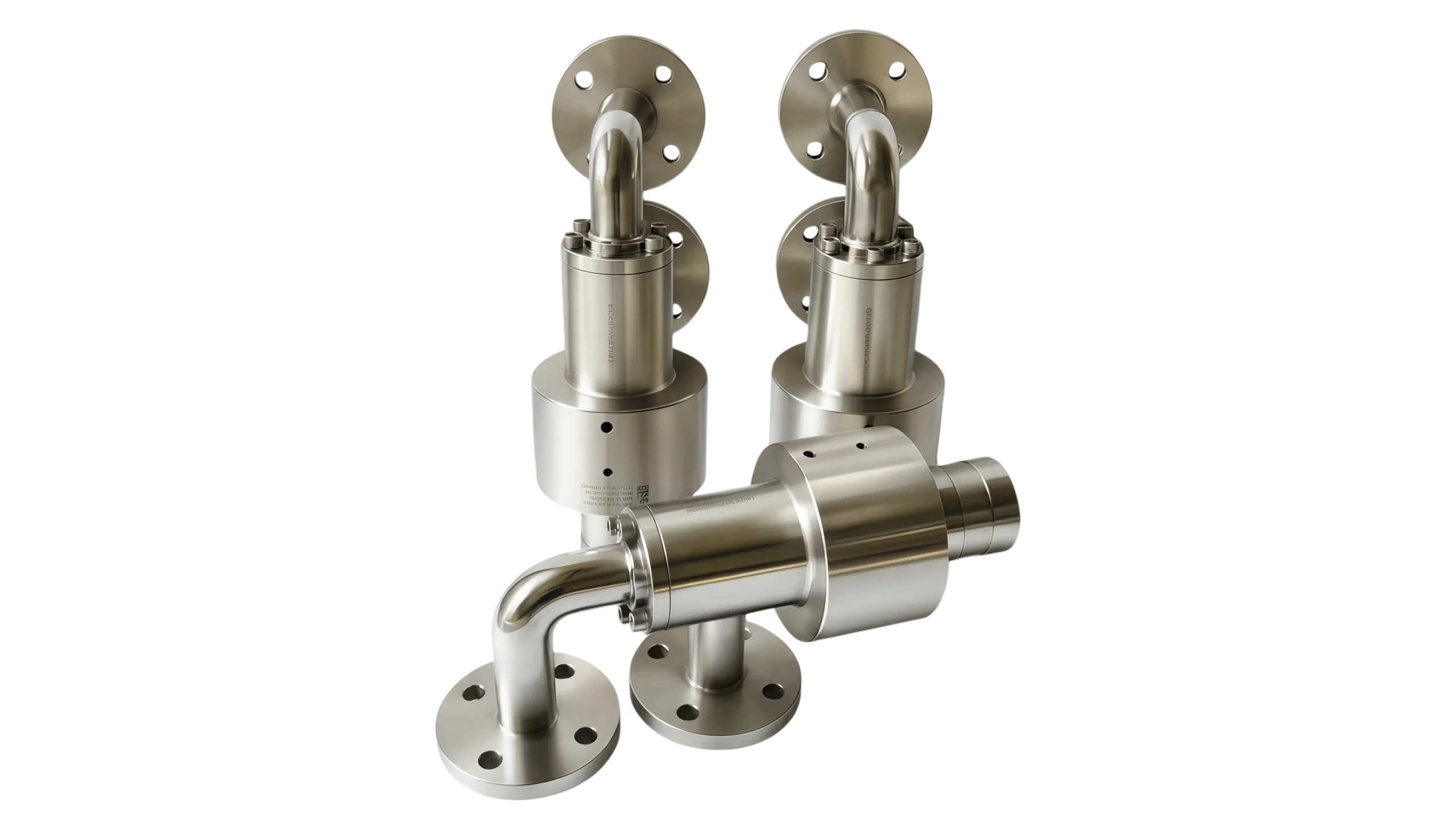
F90 swivel unions Transporting equipment components from a fixed pipeline system to high-speed rotating or reciprocating motion
Q32 swivel unions
JD40 rotary joint is a key sealing component in industrial fluid transmission systems, usually referring to a rotary connection device with a diameter of DN40 (or corresponding British caliber). As a transitional sealing device that transports fluid media (such as water, steam, hydraulic oil, thermal oil, compressed air, etc.) from static pipelines to dynamic rotating or swinging equipment